Your Parent Isn’t “Just Being Stubborn”: 6 Reasons Older Adults May Avoid Bathing
You mention that it may be time for a shower. Your parent says no.
You try again later, perhaps with a gentler tone or a reminder that it has been several days. The answer is still no—and now the conversation has become tense.
For adult children and family caregivers, this can feel baffling. A parent who once took pride in being clean and well dressed may suddenly wear the same clothes repeatedly, avoid the bathroom, or become defensive when hygiene is mentioned. It is easy to interpret that behavior as stubbornness.
But bathing resistance is rarely just a battle of wills. It is often a clue that something about the experience has become frightening, painful, confusing, exhausting, or embarrassing.
Understanding the reason behind the refusal can help families respond with more compassion—and often with much better results.
1. The Bathroom May No Longer Feel Safe
Bathrooms combine several challenges that can make an older adult feel vulnerable: slippery floors, hard surfaces, limited space, temperature changes, and the need to step over an edge or stand while wet.
A parent may be afraid of falling even if they never say so. If they have already slipped once, felt unsteady in the shower, or struggled to rise from a low tub, avoiding bathing may feel like a sensible safety decision—not an act of defiance.
Watch for clues such as holding tightly to counters, hesitating at the tub, refusing to close the bathroom door, or choosing a quick wash at the sink instead. Grab bars, a properly fitted shower chair, nonslip surfaces, brighter lighting, and a handheld showerhead may make the experience less intimidating.
When several everyday tasks are becoming unsafe, families may also benefit from exploring assisted living in Colorado Springs, CO, where personal support can be adapted to the resident’s actual needs.
2. Bathing May Hurt More Than You Realize
Arthritis, sore joints, reduced shoulder movement, balance problems, neuropathy, skin sensitivity, and fatigue can turn a simple shower into a physically demanding task.
Consider everything bathing requires: walking to the bathroom, undressing, adjusting the water, stepping into the shower, standing or transferring, reaching different parts of the body, drying off, and dressing again. A parent may say, “I don’t need one,” when what they really mean is, “That is harder than I can manage today.”
Instead of arguing about cleanliness, ask a more useful question: “Is any part of getting washed uncomfortable or difficult?” The answer may reveal a solvable problem. A seated shower, easier clothing, pain management guidance from a clinician, or assistance at the most difficult steps can preserve much of the person’s independence.
This is also where personalized senior care in Colorado Springs, CO can make a difference. Good support does not take over every task; it fills in only where help is needed.
3. Older Adults Can Feel Cold More Easily
A bathroom that feels comfortable to you may feel uncomfortably cold to an older adult. Aging can affect circulation, skin thickness, and the body’s ability to regulate temperature. Undressing, waiting for water to warm, and stepping out with wet skin may be unpleasant enough that the person begins avoiding the whole routine.
Try warming the room beforehand, preparing towels and clean clothing within easy reach, checking the water temperature together, and limiting the amount of time spent uncovered. A warm towel and an unhurried pace can change the emotional tone of the experience.
It may also help to schedule bathing for the warmest part of the day rather than early in the morning or late at night.
4. Accepting Help Can Feel Embarrassing
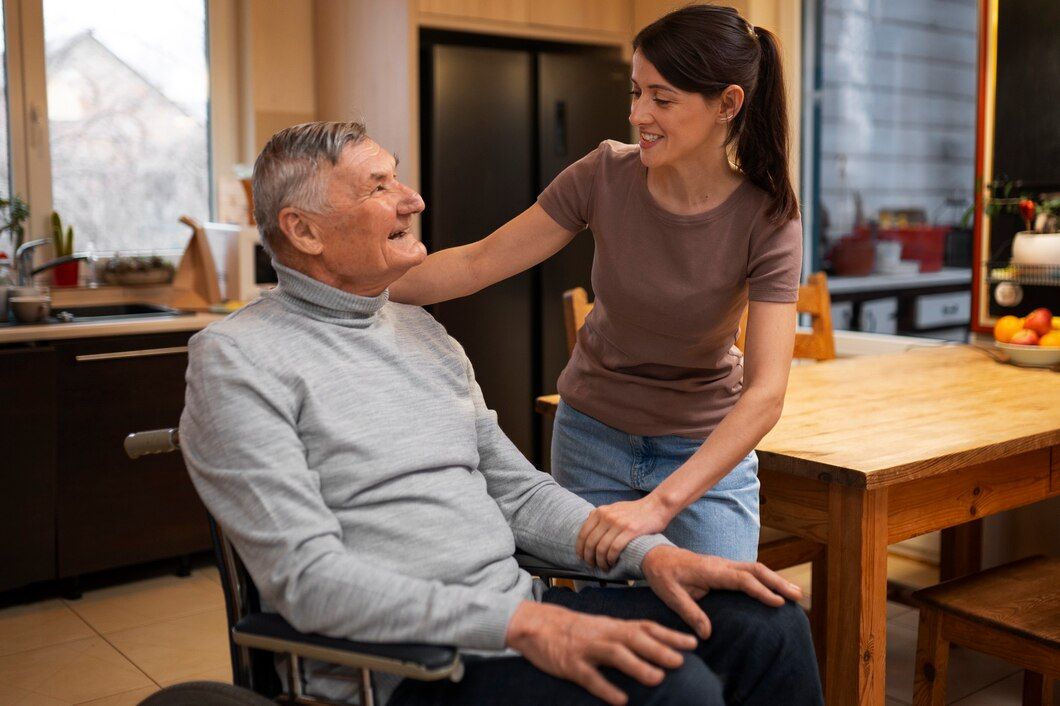
Bathing is intensely personal. A parent who has spent a lifetime caring for themselves—and perhaps caring for you—may find it humiliating to need assistance from an adult child.
Resistance can be an attempt to protect privacy, dignity, and a sense of control. The more forcefully a caregiver insists, the more strongly the parent may refuse.
Whenever possible, offer choices: shower or sponge bath, morning or afternoon, help from you or another trusted caregiver. Let the person wash the areas they can reach and provide assistance only where necessary. Keep towels or a robe in place to minimize exposure, and explain each step before doing it.
Some older adults are more comfortable receiving intimate assistance from a trained caregiver than from a son or daughter. A smaller residential assisted living community in Colorado Springs, CO may offer a more private, familiar approach than families expect, especially when caregivers know each resident’s routines and preferences.
5. Depression or Low Energy May Be Hiding Beneath the Refusal
Bathing requires motivation and energy. When an older adult is grieving, lonely, depressed, sleeping poorly, or feeling that daily life has lost its purpose, personal care can begin to feel unimportant.
Look at the larger pattern. Has your parent also stopped cooking, opening the curtains, answering calls, attending activities, or enjoying favorite hobbies? Are they eating less, sleeping much more, or expressing hopelessness?
A decline in hygiene combined with other changes deserves compassionate attention. Depression is not a normal or inevitable part of aging, and a healthcare professional can help evaluate possible emotional, medical, medication-related, or sleep-related causes.
Daily companionship and meaningful routines can also support well-being. Families comparing options may want to consider a senior living community in Colorado Springs, CO that provides both individualized assistance and natural opportunities for connection.
6. Memory or Perception Changes Can Make Bathing Confusing
For someone experiencing cognitive changes, the bathroom may no longer make sense in the way it once did. They may forget when they last bathed, lose track of the steps involved, misinterpret a reflection, or feel frightened by water striking their skin.
Even familiar instructions can become overwhelming if they contain too many steps. A statement such as “Go take a shower and get dressed for your appointment” may require more planning and sequencing than the person can comfortably manage.
Try one simple cue at a time. Prepare the room first, lay out supplies in order, reduce noise and glare, and keep the routine consistent. Avoid debating whether the person already bathed. A calm redirection—such as suggesting a warm wash-up before lunch—may work better than proving them wrong.
If confusion or behavioral changes appear suddenly, contact a medical professional promptly. Abrupt changes can sometimes be associated with illness, infection, medication effects, dehydration, pain, or another condition requiring evaluation.
How to Help Without Starting an Argument
Once bathing has become a source of conflict, even mentioning it may trigger resistance. These approaches can help lower the pressure:
- Ask what feels difficult. The real concern may be pain, cold, fear, fatigue, or embarrassment.
- Offer two acceptable choices. “Would you rather wash up before lunch or after?” preserves some control without leaving the plan completely open-ended.
- Prepare everything first. Towels, clothing, toiletries, and safety equipment should be ready before the person enters the bathroom.
- Use neutral language. “Let’s get freshened up” may feel less critical than comments about odor or how long it has been.
- Be flexible about the method. A sponge bath, no-rinse cleanser, or washing one area at a time may be a reasonable alternative on difficult days.
- Protect privacy. Close doors, cover the person whenever possible, and avoid unnecessary observers or interruptions.
- Know when to pause. If the conversation is escalating, stepping away and trying later is often safer and more productive than forcing the issue.
How Often Does an Older Adult Need to Bathe?
Many families assume that anything short of a daily shower is unhealthy. In reality, bathing needs vary according to activity level, continence, skin condition, personal preference, climate, and medical needs. For some older adults, a few full baths or showers per week—combined with regular cleaning of the face, hands, underarms, skin folds, and intimate areas—may be adequate.
The goal is not to win a daily argument. It is to maintain health, comfort, skin integrity, and dignity. A clinician should provide individualized guidance when incontinence, wounds, infections, fragile skin, or other medical concerns are involved.
When Bathing Resistance Signals a Larger Care Need
An occasional refusal is not necessarily alarming. A repeated inability to bathe safely, however, may be one part of a broader change in daily function.
Pay attention if bathing difficulties occur alongside missed medications, skipped meals, falls, unsafe driving, poor housekeeping, weight loss, social withdrawal, or increasing confusion. These patterns may indicate that your parent needs more support than one family member can consistently provide.
Exploring care before a crisis does not commit your family to an immediate move. It simply gives you time to understand the options, ask thoughtful questions, and determine what level of help would make daily life safer.
For families who want attentive support in a calm, home-like setting, private assisted living in Colorado Springs, CO can offer a gentler alternative to a large institutional environment. Residents can receive help with personal care while maintaining familiar routines, privacy, and as much independence as possible.
Look for the Need Behind the “No”
When a parent refuses to bathe, the behavior is only the visible part of the problem. Underneath it may be fear, pain, cold, exhaustion, embarrassment, depression, or confusion.
That does not mean families should ignore hygiene or safety concerns. It means the most effective response begins with curiosity rather than confrontation.
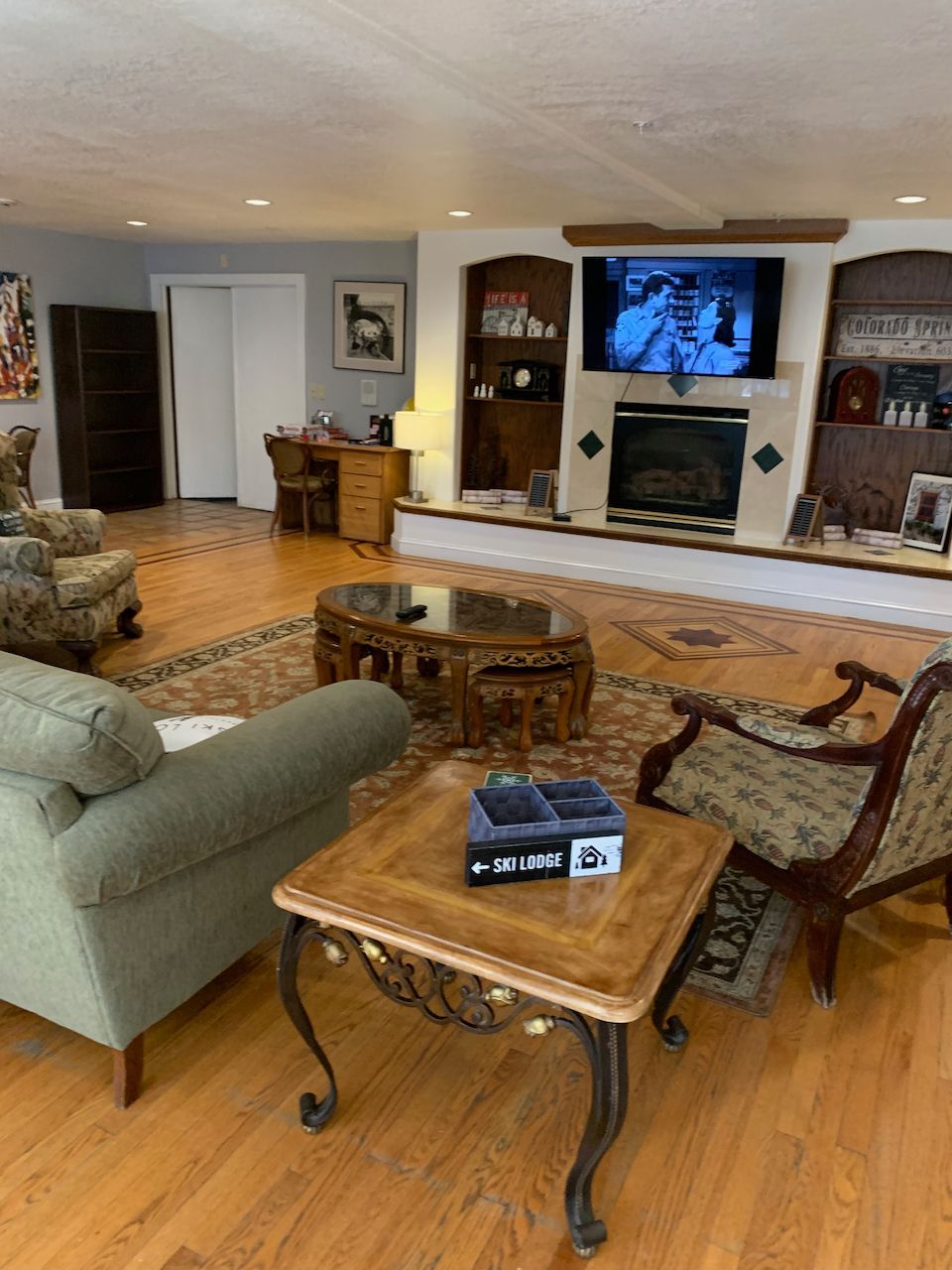
At The Lodge at Palmer Point, we understand that personal care is personal. Our residential-style community provides individualized support in a warm environment where seniors are treated with patience, familiarity, and respect. Families searching for luxury assisted living in Colorado Springs, CO are invited to learn how the right level of assistance can help preserve both dignity and peace of mind.
To ask questions or schedule a private tour, call 719-633-8523 or visit The Lodge at Palmer Point at 3205 Leslie Drive, Colorado Springs, CO 80909.