Why Is My Parent Suddenly Weaker After a Hospital Stay? What Families Should Watch for During the First 30 Days
A hospital stay may treat the immediate medical problem, but for many older adults, returning home is only the beginning of recovery. Families are often surprised when a parent who was walking, preparing meals, or managing medications before hospitalization comes home noticeably weaker, more tired, confused, or unsteady.
It can feel as though the hospital stay caused a sudden decline. In reality, several physical and cognitive changes can occur during even a relatively short hospitalization. Understanding those changes—and knowing what to watch for during the first 30 days—can help families prevent falls, medication errors, dehydration, another emergency room visit, or a return to the hospital.
If your parent does not seem like the same person after discharge, do not automatically dismiss it as normal aging. Here is what may be happening and how you can help.
Why Older Adults Can Lose Strength So Quickly in the Hospital
Hospitalized older adults often spend much more time in bed than they normally would at home. Illness, pain, medical equipment, fatigue, fall precautions, and unfamiliar surroundings may all limit movement. When muscles are not used regularly, strength and endurance can decline quickly.
After discharge, this may appear as:
- Difficulty rising from a chair or getting out of bed
- Slower or less steady walking
- Needing help with stairs
- Becoming tired after a short activity
- New difficulty bathing, dressing, or using the bathroom
- Fear of falling or reluctance to move
These changes matter because weakness can start a difficult cycle. A senior who feels unsteady may move less. Moving less can cause further weakness, which increases fall risk and makes everyday activities even harder.
Confusion After Discharge Should Not Be Ignored
Some older adults experience delirium during or following an illness or hospital stay. Delirium is a sudden change in attention, awareness, or thinking. It is different from the slow progression generally associated with dementia.
A parent experiencing delirium may seem unusually sleepy, restless, suspicious, distracted, forgetful, or disoriented. Symptoms may improve and worsen throughout the day, which can make the problem easy to miss. A family might have a normal conversation in the morning and notice significant confusion that evening.
Possible contributors include infection, dehydration, pain, constipation, medication effects, poor sleep, low oxygen, or the stress of hospitalization. New or rapidly worsening confusion warrants prompt medical attention—especially when accompanied by trouble speaking, facial drooping, weakness on one side, severe headache, chest pain, breathing difficulty, or loss of consciousness. Those symptoms may be an emergency.
The Medication List May Have Changed More Than You Realize
Hospital discharge instructions can be overwhelming. New prescriptions may have been added, previous medications stopped, or dosages changed. Brand and generic names can also make two medications look unrelated even when they contain the same drug.
During the first few days at home, compare the discharge medication list with every prescription, over-the-counter medicine, vitamin, and supplement your parent was taking before hospitalization. Do not guess which instructions to follow. Contact the prescribing clinician or pharmacist if anything is unclear.
Watch for possible medication-related concerns such as:
- Unusual sleepiness or dizziness
- New confusion or agitation
- Nausea, poor appetite, or constipation
- Low blood pressure or fainting
- Difficulty following the medication schedule
- Accidentally taking discontinued medications
Families exploring assisted living in Colorado Springs, CO often identify medication support as one of their most urgent needs after a hospitalization. A structured routine and trained assistance can reduce the burden of managing a complicated schedule alone.
Poor Appetite and Dehydration Can Slow Recovery
It is common for appetite to change after an illness. Food may taste different, medications may cause nausea, or a senior may simply lack the energy to shop and cook. However, eating and drinking too little can worsen weakness, dizziness, confusion, constipation, and recovery time.
Rather than focusing only on large meals, families can offer smaller portions more frequently and include foods the person enjoys. Unless a clinician has prescribed fluid restrictions, keep water and other appropriate drinks within easy reach. Ask the medical team whether the recovery plan includes specific dietary, protein, sodium, or fluid recommendations.
For someone who is too tired or unsteady to prepare food safely, dependable daily meals can become essential. This is one reason families consider senior care in Colorado Springs, CO that combines personal assistance with freshly prepared meals and regular wellness observation.
Sleep Problems Can Affect Both the Body and Mind
Hospitals rarely provide uninterrupted sleep. Noise, overnight checks, discomfort, unfamiliar lighting, and changes in routine can disrupt the body's normal day-and-night rhythm. After returning home, some seniors sleep throughout the day and remain awake at night. Others become anxious at bedtime or wake frequently.
To help restore a healthier rhythm, encourage morning light, daytime movement when medically appropriate, regular mealtimes, and a consistent evening routine. Avoid making major medication changes or adding sleep aids without consulting a healthcare professional, because some products can increase confusion or fall risk in older adults.
What Families Should Track During the First 30 Days
Recovery does not always follow a straight line. A simple daily record can help the family and medical team identify patterns before they become emergencies. Consider tracking:
- Alertness, memory, and unusual behavior
- Walking ability and any near-falls
- Food and fluid intake
- Medication doses and side effects
- Pain, breathing, and sleep
- Ability to bathe, dress, use the bathroom, and prepare meals
- Follow-up appointments and therapy recommendations
Pay attention to direction, not just individual moments. Is your parent gradually becoming stronger and more independent, remaining unchanged, or losing additional abilities?
Questions to Ask at the Follow-Up Appointment
Bring the discharge paperwork, complete medication list, and your daily observations to the appointment. Helpful questions include:
- Which changes are expected during recovery?
- Which symptoms require an immediate call or emergency care?
- Should physical or occupational therapy be arranged?
- Are mobility aids needed, and have they been fitted correctly?
- What level of activity is safe?
- Are there dietary or hydration goals?
- Can my parent safely manage medications alone?
- Is overnight supervision temporarily or permanently necessary?
Specific questions make it easier for the medical team to understand what is happening outside the clinic.
When Returning Home May No Longer Be the Safest Plan
Some older adults recover well with family assistance and short-term therapy. Others return home with needs that exceed what relatives can safely or consistently provide. That does not mean the family has failed. It means the level of support has changed.
It may be time to reconsider the living arrangement when your parent:
- Cannot transfer, walk, or use the bathroom safely
- Misses or duplicates medications
- Frequently falls or nearly falls
- Cannot prepare meals or maintain hydration
- Needs help throughout the night
- Becomes isolated or frightened when left alone
- Requires more care than one family caregiver can sustain
A residential assisted living community in Colorado Springs, CO can provide a bridge between living alone and a large institutional environment. Residents can receive help with everyday activities while maintaining privacy, personal routines, and as much independence as possible.
Why a Smaller Setting Can Help After a Major Health Change
After hospitalization, too much noise, activity, or unfamiliarity can feel overwhelming. A smaller community may offer a calmer transition, more consistent routines, and greater familiarity with the people providing daily assistance.
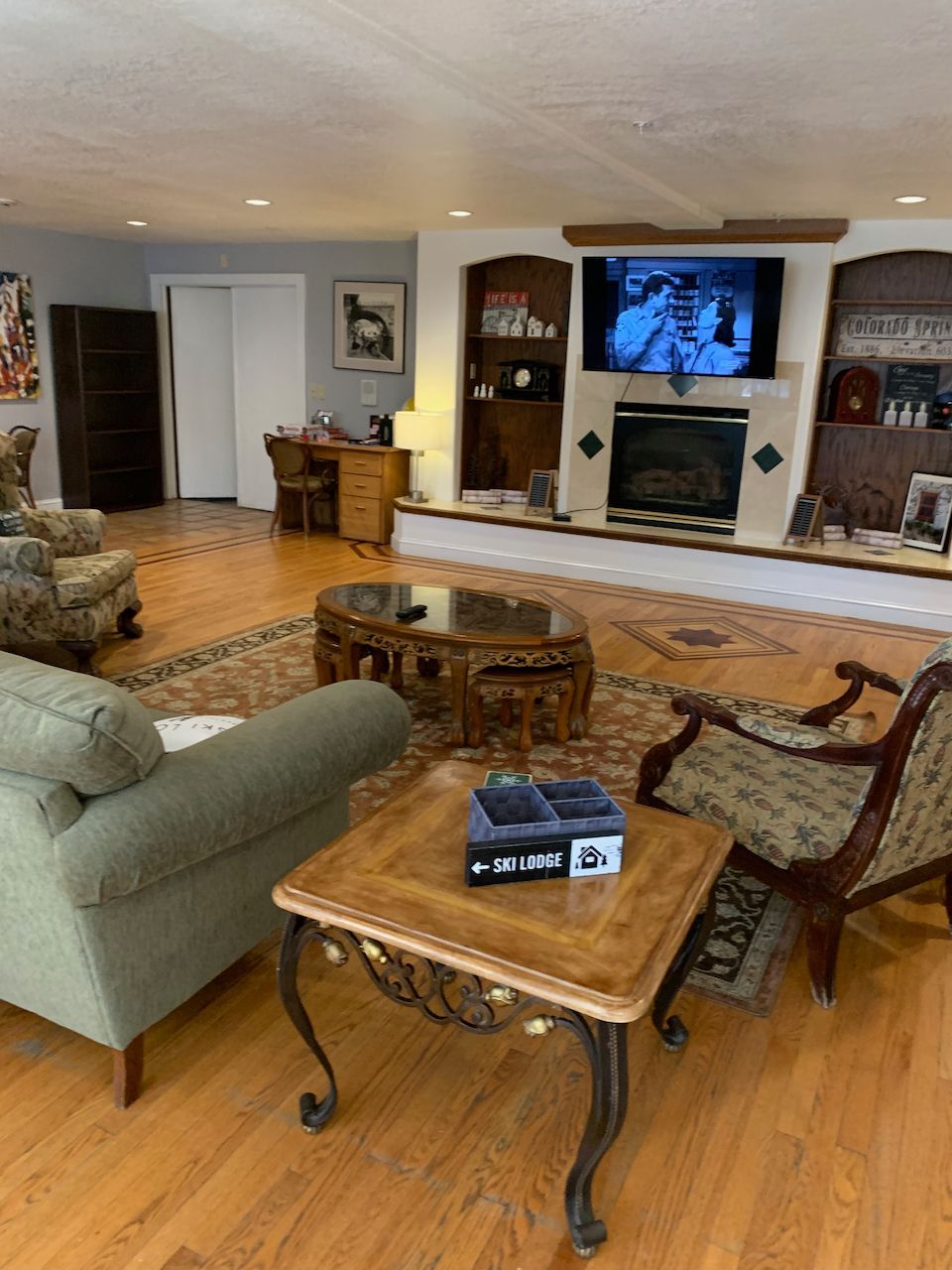
At The Lodge at Palmer Point, residents have access to 24-hour on-site staff, assistance with activities of daily living, medication administration, home-style meals, comfortable common areas, and opportunities for meaningful social connection. Families looking for personalized assisted living in Colorado Springs, CO can learn how our residential approach is centered on dignity, comfort, and individual needs.
Physical surroundings matter as well. Private space can give a recovering senior somewhere calm to rest, while accessible shared areas make meals and companionship easier to enjoy. Families can explore our private assisted living suites in Colorado Springs, CO to see the accommodation options available at The Lodge.
Our location beside Palmer Park also gives residents a peaceful residential environment with beautiful views and inviting outdoor spaces. Those comparing assisted living near Palmer Park in Colorado Springs, CO can explore the surrounding neighborhood and nearby points of interest.
Recovery Requires More Than a Discharge Date
Leaving the hospital does not necessarily mean an older adult has returned to their previous level of health or independence. The first 30 days can reveal new needs involving mobility, cognition, nutrition, medication management, and personal care.
Families should not ignore sudden weakness or confusion, and they should not feel pressured to manage an unsafe situation alone. Early observation, clear communication with healthcare professionals, and the right daily support can make the transition safer and less stressful for everyone.
If your family is evaluating luxury assisted living in Colorado Springs, CO following a hospital stay or another major health change, The Lodge at Palmer Point offers a warm, residential alternative to a traditional facility.
Schedule an assisted living tour in Colorado Springs, CO or call 719-633-8523 to speak with our team and learn whether The Lodge may be the right next step for your family.
This article is intended for general educational purposes and is not a substitute for medical advice. Contact a qualified healthcare professional regarding new symptoms, changes in condition, or questions about a hospital discharge plan.